Industries

Chemical and Petrochemical Facilities

Chemical and petrochemical facilities face increasing risk from diffuse emissions of hazardous compounds such as benzene, ethylene oxide (EtO), and other toxic pollutants — even at very low concentrations.

From U.S. benzene fenceline requirements to evolving EtO regulations and European IED and Seveso frameworks, regulatory pressure is intensifying.

The direction is clear: continuous, perimeter-based monitoring is becoming the new standard.

Services for Chemicals Operations

Turning Monitoring into Risk Management

Atmosfir's D-fenceline™ is purpose-built to meet this need, delivering real-time, multi-compound monitoring at sub-ppb sensitivity. The system enables early detection, source attribution, and emission quantification — supporting rapid response, root cause analysis, and defensible compliance. With advanced QA/QC and industry-leading sensitivity, Atmosfir provides a reliable, scalable solution that reduces risk, protects communities, and strengthens environmental performance.

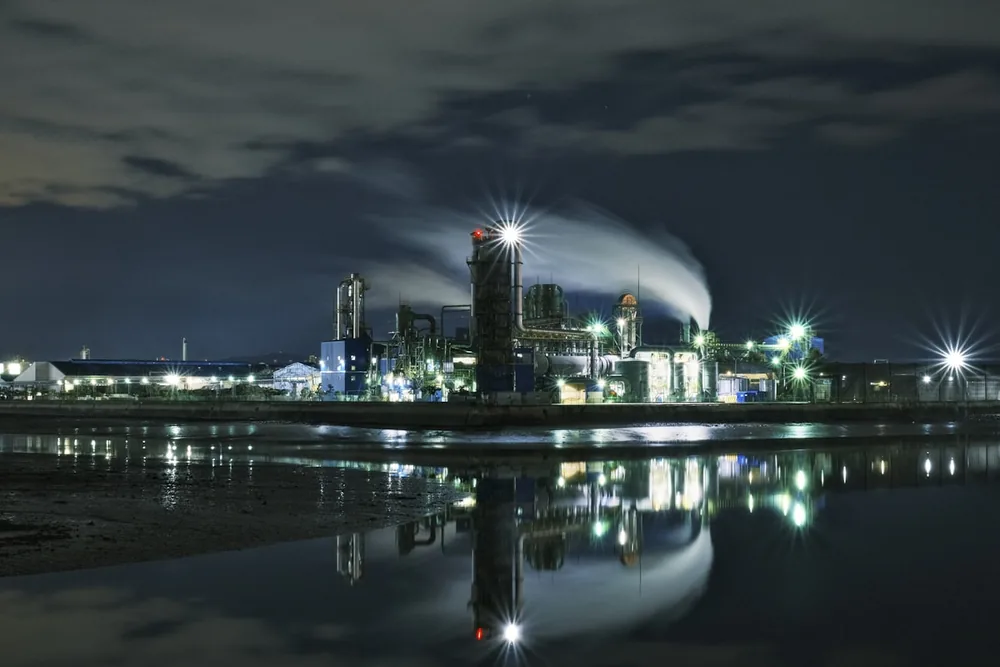
Chemical plant at night
Fenceline Monitoring

D-fenceline

A tailored monitoring solution at the facility perimeter — combining open-path FTIR and/or multi-point near-real-time GC systems with integrated meteorological sensors on a single platform. Configured to each site's compounds, layout, and compliance program, D-fenceline covers up to 200+ hazardous compounds, including all six HON target HAPs, at detection limits below EPA action levels. With built-in source-location capability, the system supports mandatory root cause analysis (RCA) and risk reduction workflows required under evolving regulatory frameworks.

D-fenceline overview →
Sample Use Cases

Where Atmosfir Delivers Value in Chemicals

A representative sample of how operators, agencies, and EHS teams in chemicals put Atmosfir's three services to work.

  • HON fenceline monitoring for SOCMI and Group I & II Polymers and Resins facilities under the 2024 final rule
  • Pre-compliance pilot studies to characterize baseline emissions and identify potential exceedance sources before quarterly CEDRI reporting begins
  • Real-time monitoring deployments triggered by HON root-cause analysis when corrective action isn't completed within the 30-day window
  • Source-location triangulation to distinguish on-site emissions from upwind contributions in dense industrial corridors
  • Voluntary monitoring for compounds beyond the HON six, supporting facility air-toxics inventories and community transparency commitments

These are common patterns, not a complete set.

Boundary, Community, Footprint

See More. Know Faster. Act Sooner.

D-fenceline delivers a complete environmental monitoring posture for chemical and petrochemical operators — empowering decision-makers with real-time, high-quality data for faster, data-driven risk management.