Industries

Ports & Terminals

Approximately 80% of global goods — including chemicals — are transported through seaports and chemical terminals. These facilities are critical to the economy and industrial supply chains, where any disruption or shutdown can result in significant financial and operational impact.

At the same time, the high volume and diversity of cargo, combined with intense maritime and logistics activity, create substantial environmental risk. Emissions from vessels — including the use of high-sulfur fuels — and potential leaks during loading, unloading, and storage can pose serious threats to port operations, workers, and surrounding communities.

Services for Ports & Terminals Operations

Three Platforms for Port & Terminal Operations

Port operations sit at the intersection of industry and community. Each Atmosfir service addresses a distinct part of that footprint: the terminal boundary, wide-area methane visibility, and structured hazard reporting from the people who work there and live nearby.

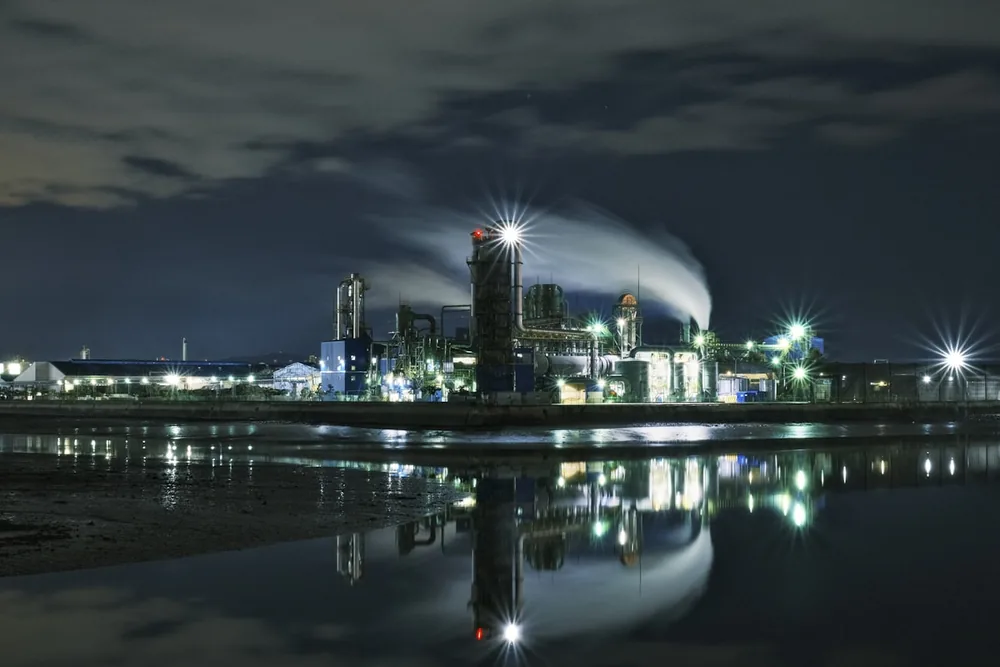
Chemical plant at night
Port & Terminal Monitoring

D-fenceline™ Sea

A tailored monitoring solution for port and terminal boundaries — including sea gate entry points — integrating open-path FTIR, visual cameras, and meteorological sensors into a unified, user-friendly platform. D-fenceline Sea enables ports to screen incoming vessels for compliance with IMO MARPOL Annex VI sulfur limits, detecting unauthorized use of high-sulfur fuels and identifying emissions from ships at berth or in transit. The system also detects leaks of hazardous materials from cargo, containers, and storage during loading, unloading, and handling operations. Continuous perimeter monitoring ensures that hazardous emissions do not cross port boundaries, while advanced source-location algorithms combine multi-point concentration data with meteorological analysis to identify emission sources in real time.

D-fenceline overview →

Team meeting reviewing reports on a laptop
Hazard Reporting

HaZapp™

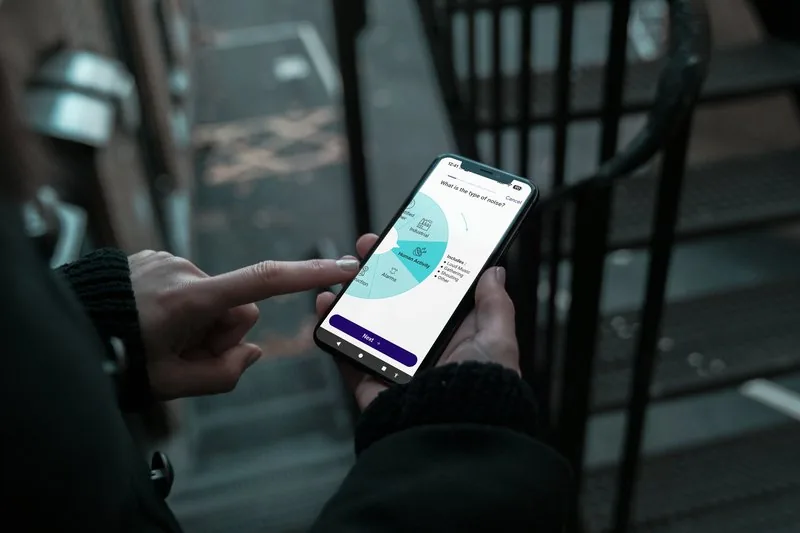
A mobile platform for structured environmental hazard reporting from employees or the community. Users submit GPS-tagged complaints with photos and timestamps; EHS teams receive the records in a format suitable for response, regulatory communication, and ongoing community-relations work.

HaZapp overview →
Earth viewed from satellite
Satellite Monitoring

SatLeak™

Satellite-based methane super-emitter detection across LNG terminals, gas-handling infrastructure, and connected pipeline networks. SatLeak applies proprietary spectral algorithms to imagery from multiple satellite sources, supporting NSPS reporting, OGMP 2.0 disclosures, and the growing methane scrutiny from international counterparties. Early detection reduces the risk of escalation and potential explosion events while improving safety, compliance, and operational control.

SatLeak overview →
Sample Use Cases

Where Atmosfir Delivers Value in Ports & Terminals

A representative sample of how operators, agencies, and EHS teams in ports & terminals put Atmosfir's three services to work.

  • Faster detection and response to hazardous-material emission events, improving safety and security
  • Cleaner air for port surroundings and adjacent communities
  • A healthier work environment for port personnel
  • Stronger public-relations posture through transparent, data-backed reporting

If your situation isn't on this list, it's likely worth a conversation. These are common patterns, not a complete set.

Terminal, Basin, Community

Where Industry Meets the Waterfront

D-fenceline Sea systems at the terminal boundary. HaZapp for workers and harbor neighbors. SatLeak across LNG and gas-handling infrastructure. Each service stands on its own; together they give a port operator visibility from the boundary to the basin.